
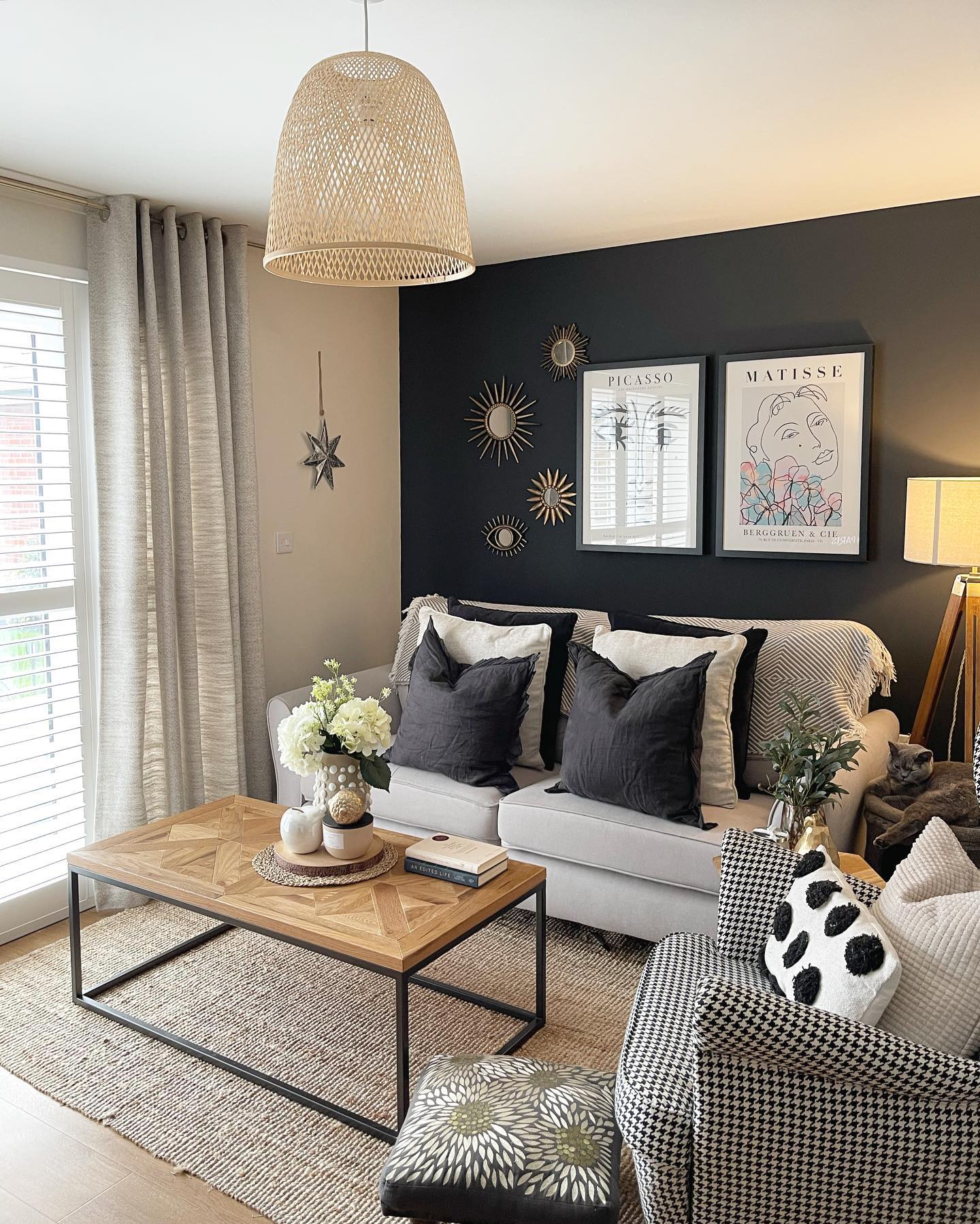
Are you wondering if your new accent chair, armchair, or loveseat will clash with your existing sofa? Or perhaps you’re tired of matching furniture sets and want to create a living room that feels more like you. Mixing and matching sofas and chairs is one of the easiest ways to express your personal style while making your space feel fresh and dynamic.
In this guide, we’ll walk you through how to pair different furniture styles, colours, fabrics, and shapes, without sacrificing cohesion or comfort. Whether you’re working with a beloved vintage sofa or eyeing up a bold new chair, you’ll learn how to create a balanced, inviting space that looks perfectly put together.
Is it OK to mix and match sofas and chairs?
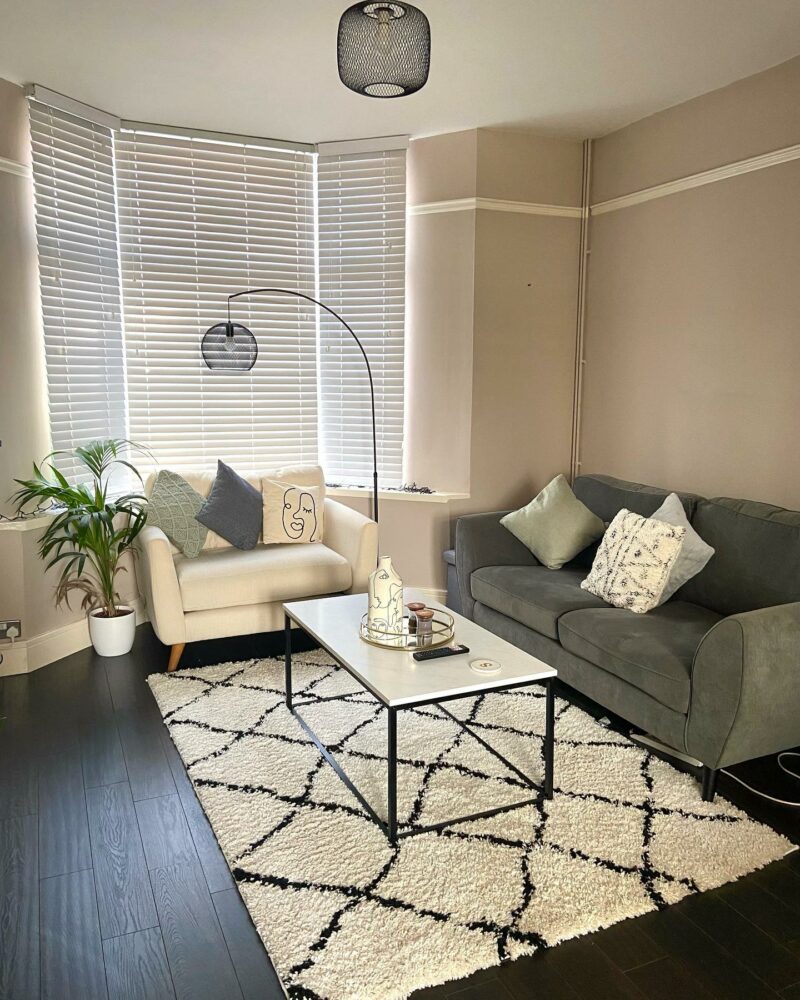
Evie loveseat | @siaanwilliams_home
Styling mismatched pieces is not only possible, but it can also result in a living room that feels uniquely personal, inviting, and effortlessly curated. Your sofa and chair don’t need to match perfectly to look amazing together. In fact, with a few thoughtful choices, you can highlight their individual character while still creating a harmonious space.
Our Head of Buying, Elena Mellowes, echoes this approach, “Mixing sofas and chairs is a great way of injecting personality into your space; blending different designs, shapes, and fabrics allows you to curate your home and make the most of your space without the cost of investing in a new three-piece suite.”
How do I make sure furniture matches?
Mixing and matching works best when it feels considered but not overdone. We’ve put together our top tips to help you confidently combine even the most unexpected pieces, making it simple to achieve a beautifully balanced and sophisticated look.
Prioritise your personal style
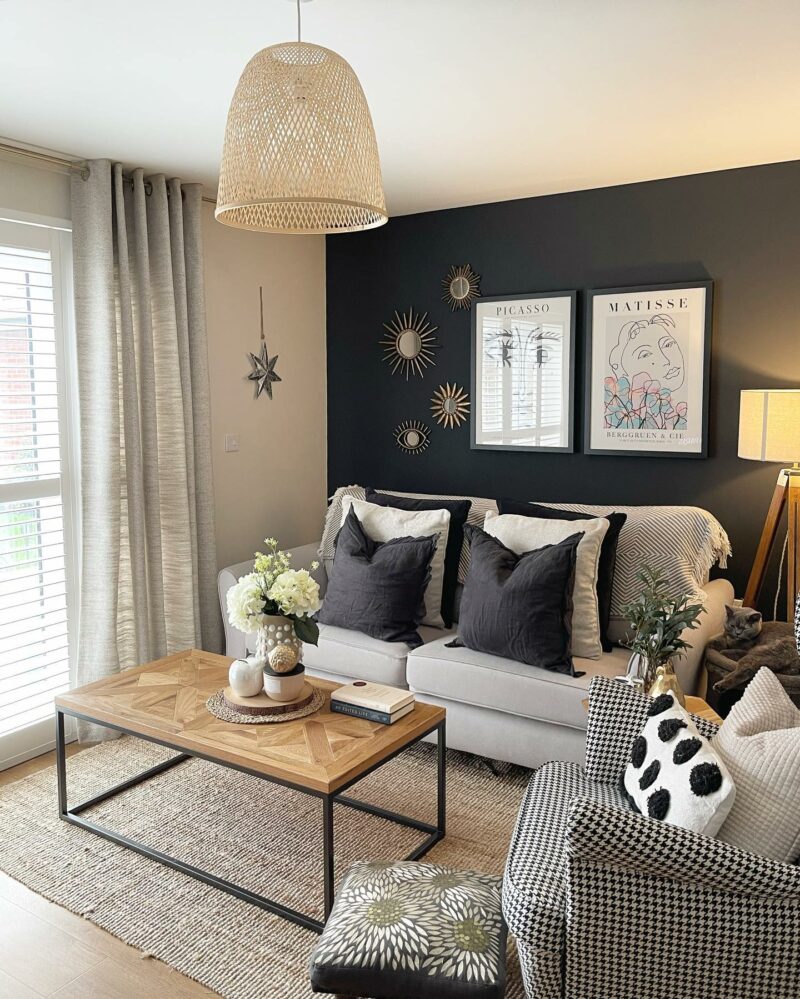
Jasmine sofa | @littlehouseofannie
Start by considering the overall style of your home. Walk through each room, take in the colours, textures, and mood. Your space should feel like a true reflection of who you are, not just a collection of design rules. Matching furniture isn’t about uniformity; it’s about creating a setting that feels natural, lived-in, and welcoming. Let your choices reflect your personality and the way you want to feel in your home.
Stay true to your existing decor
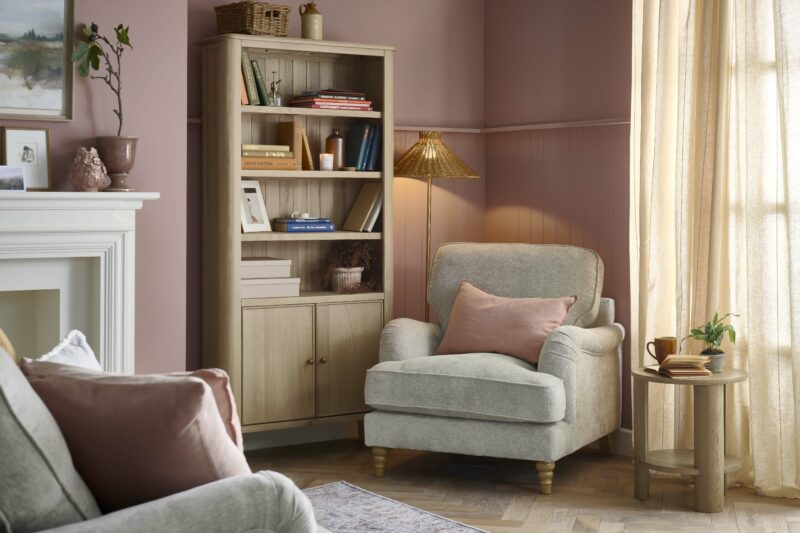
Eloise armchair | Newton bookcase | Yazmin rug
That said, if your home style is more modern and minimal, a floral accent chair might feel out of place. Likewise, if your space embraces cottagecore charm or the vibrant patterns of the ’70s, cool grey tones could clash. While bold contrasts can sometimes pay off, they require a careful eye, as there’s a fine line between making a statement and making a design misstep.
Create contrast with complementary fabrics

Iver armchair | Maine side table
One way to add interest to your living room is by adding texture. Rather than focusing on matching a specific type of fabric, try selecting a particular shape, style, or colour palette as the foundation of your furniture choices. This approach allows a variety of fabrics to work together harmoniously, enabling you to mix and match upholstery in a way that adds layers and depth to a room.
For example, sumptuous leathers, rich velvets, and corduroy pieces can look particularly stylish when paired with a linen-style fabric. You can also create a sense of balance by incorporating your chosen fabrics into soft furnishings such as decorative cushions and throws.
Elena continues, “A great way to execute this is to mix an accent chair with your sofa for a more stylised seating solution; consider a different but complementary fabric, or even a tonal leather to really make the space your own.”
Maximise colour impact
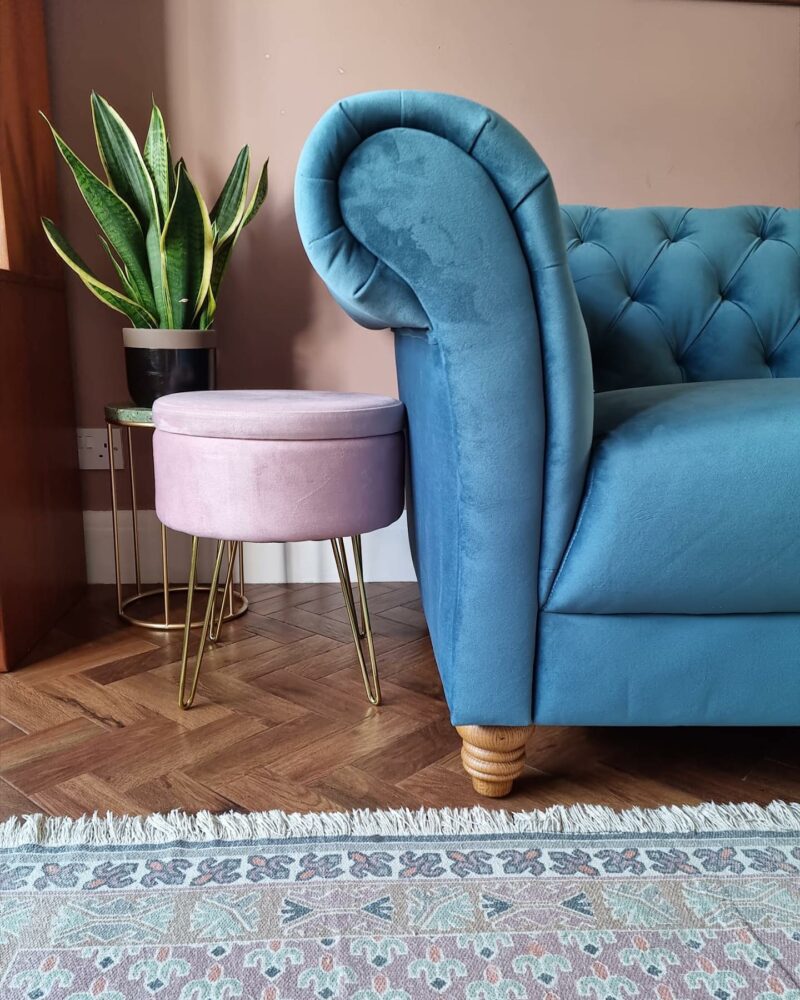
Montgomery sofa | @renovationtowers
If contrasting shapes, styles, or fabrics isn’t your thing, you might find more joy in playing around with colour. Mixing and matching colours from a small palette is the easiest way to create contrast and inject playfulness into a space without it feeling overwhelming.
Layering variations of the same few shades throughout the room creates a sense of cohesion and calm. It conveys a feeling of intention and balance, rather than a chaotic clash of colours, making your space feel both intriguing and thoughtfully put together.
Use bold accessories
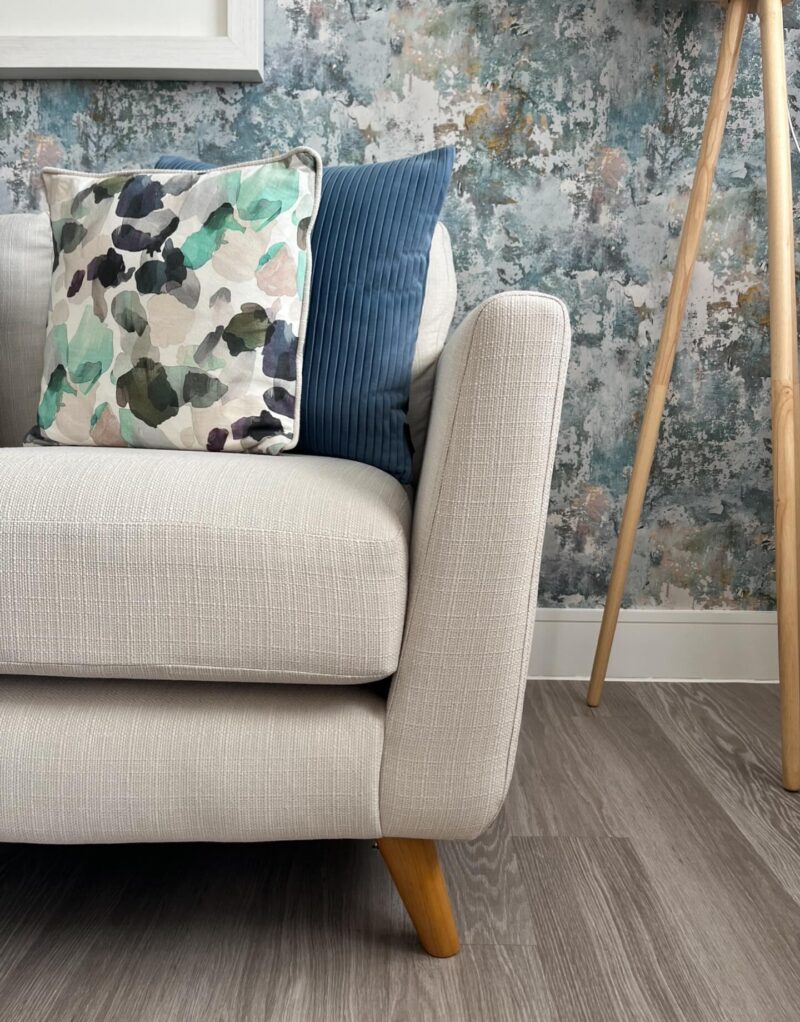
Evie sofa | @nlwhome
If you’re just starting to explore colour, or you prefer a more subtle approach, soft furnishings and accessories are an easy way to experiment. Start with a neutral sofa you love, then layer in subtle pops of colour through cushions, throws or art. These are flexible elements that are easy to update as your confidence grows. For more ideas, head to our post on how to style your sofa.
Layer and pair up patterns
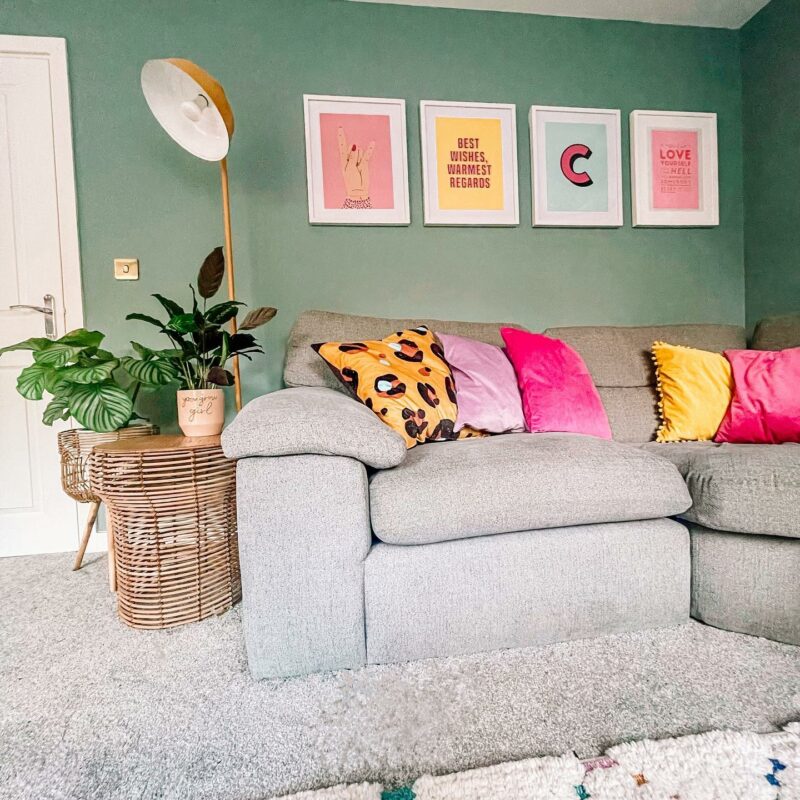
Morgan sofa | @poursomecolouronme
Pairing patterns can be a delicate art, as it’s easy to go overboard. To make it work, there are two main approaches. The first is to keep things cohesive by choosing patterns that share a similar shape, style, or colour palette. For example, two floral prints in different colourways will feel far more harmonious than a floral mixed with tartan or paisley.
If you prefer a more maximalist style, contrast can work too, as long as it feels deliberate. Try mixing different patterns through accessories first, such as a leopard print cushion with a striped throw, and tie it together with a shared tone or texture. Want to go bolder? Discover our Q&A with interior stylist Tamzin McGillen, the queen of pattern clashing in all the best ways.
How to balance sizes and shapes?

Even the best colour and pattern choices can fall flat if the proportions feel off. Try to think about the visual weight of each piece. A large leather sofa can easily overpower a small, delicate chair, so aim for balance by pairing pieces that feel similarly substantial. If your sofa is slim and streamlined, you can often go chunkier with an accent chair without it feeling so mismatched.
Levels matter too. When seating sits at heights, the whole layout tends to feel more cohesive and comfortable. Also, placement can do a lot of the work. Angling chairs slightly towards the sofa helps the space feel welcoming and conversational. If your room allows, a soft U-shape or L-shape layout often creates the easiest flow.
What styles work well together?
Mixing designs is a great way to make a room feel curated rather than like a showroom. The key is to find combinations that balance contrast with harmony. Here are a few pairings that always work well:
- Mid-century and modern: Clean lines and tapered legs from different decades often share a design language that feels intentional. A mid-century sofa with a contemporary metal-framed chair creates a fresh, uncluttered look with just the right amount of contrast.
- Classic and contemporary: Don’t be afraid to pair a traditional roll-arm sofa with a modern accent chair, creating a layered, lived-in space that evolves with your style.
- Industrial and rustic: Natural materials like luxurious leather and reclaimed wood bring warmth to the edginess of industrial design. Mix a rustic oak coffee table with a steel-framed chair for a look that feels both grounded and characterful.
Explore even more ways to mix and match your living room furniture.
When to match, and when to clash?
Mixing and matching doesn’t mean abandoning structure. A simple rule is to match one element and let the others vary. You might keep colour consistent while changing fabric, such as a velvet sofa with a linen chair in the same shade. Or you could keep silhouettes similar while contrasting colours. You can also repeat a material like leather across pieces while choosing different designs, which helps the room feel cohesive without being too uniform.
Planning your mix-and-match layout?
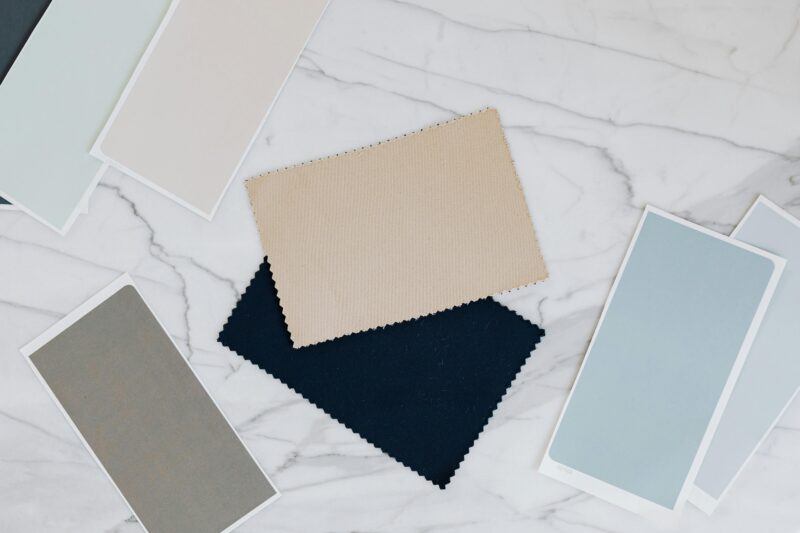
Credit: Pexels photo by Karolina Grabowska
Before you commit, it helps to visualise your arrangement. A quick sketch, a moodboard, or a Pinterest board makes it easier to see how the seating will work together in harmony. You can also use masking tape to mark out the footprint of sofas and chairs on the floor. It is a simple way to check scale and spacing before anything arrives.
Mixing and matching sofas and chairs is a simple yet impactful way to add depth, personality, and warmth to your living room. Start small with complementary cushions or a contrasting accent chair, and build confidence as you experiment. And remember: there are no rigid rules, just choose what feels right for your home.
We’d love to see how you style your mismatched living room! Tag us on Instagram or TikTok and use #OakFurnitureland #GrowYourHome to share your look.