
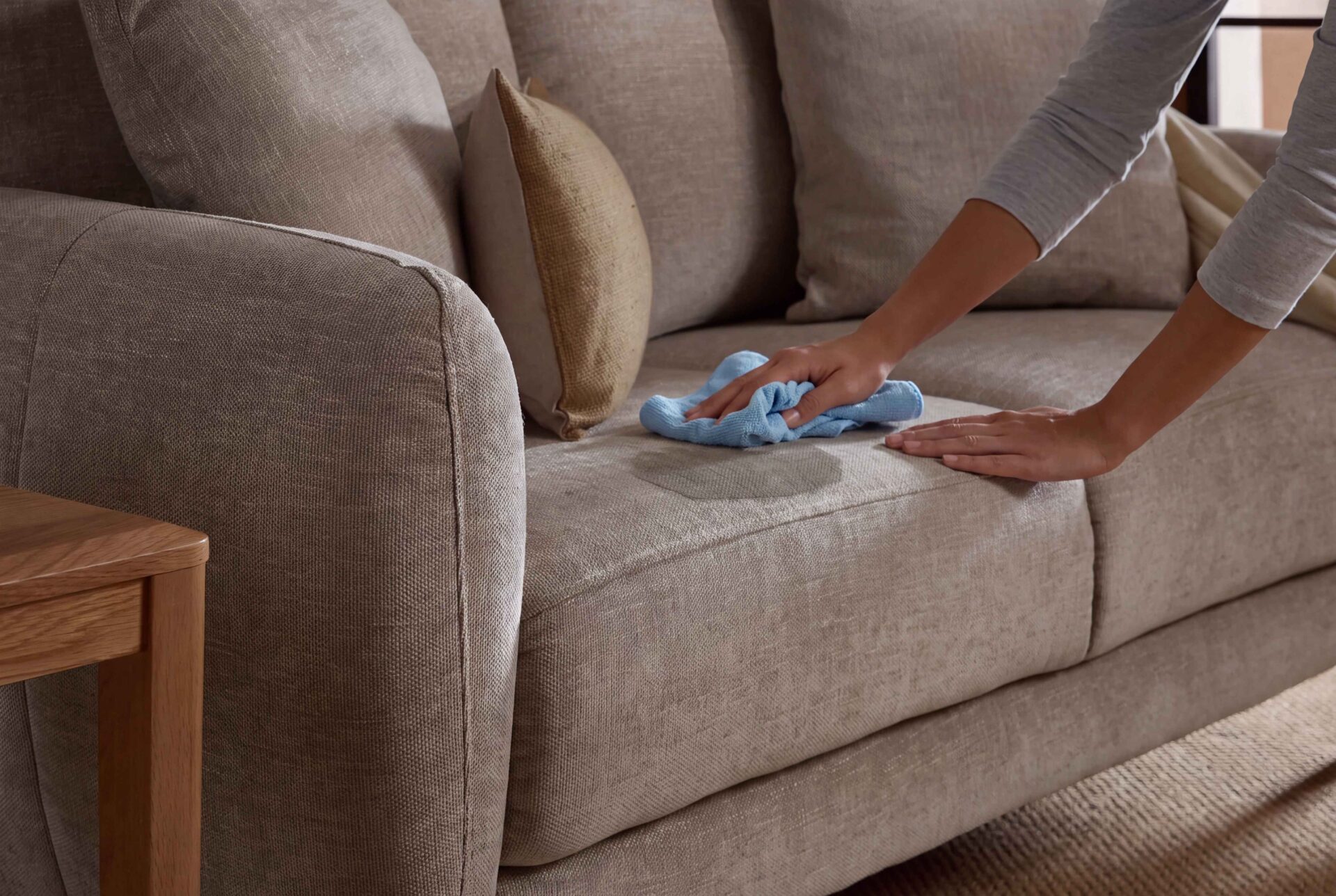
Your fabric sofa is at the centre of everyday life. From morning coffees and family film nights to quiet evenings with a good book, it’s one of the most-used pieces of furniture in the home. With so much daily use, it’s only natural for dust, crumbs, and the occasional spill to build up over time.
The good news is that keeping your sofa looking its best doesn’t have to be difficult. With a little regular care and the right cleaning approach, you can help maintain its comfort, appearance, and longevity for years to come.
The best cleaning method will depend on your sofa’s upholstery, its care instructions and whether you’re giving it a routine refresh, tackling a stubborn stain or carrying out a more thorough clean.
Before you clean your fabric sofa
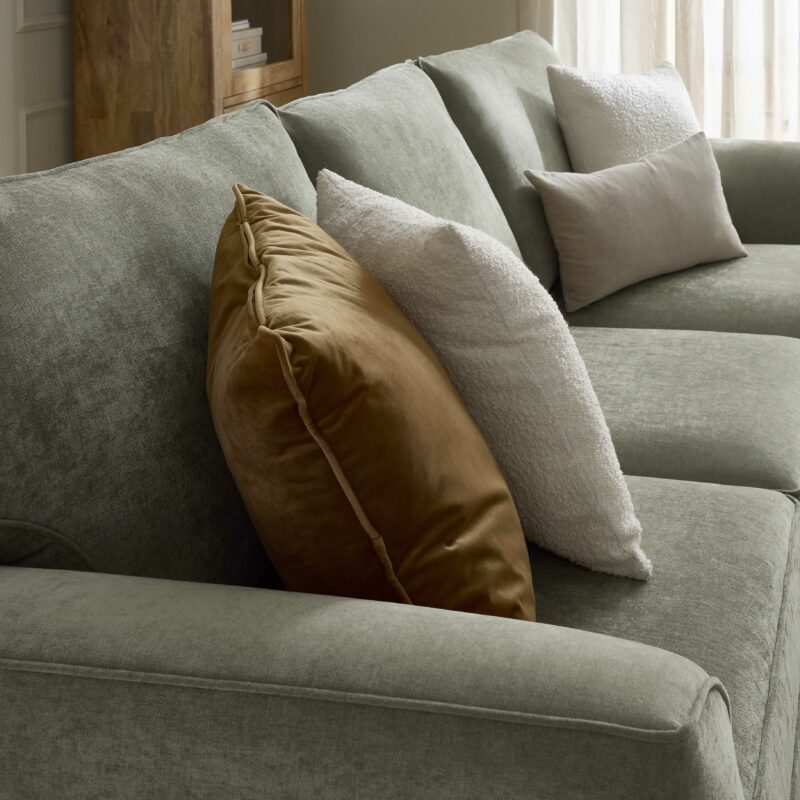
Not all fabric upholstery is the same, so it’s worth taking a few moments to prepare before you begin. Understanding your sofa’s care requirements will help you clean it safely and avoid damaging the fabric.
Check the care label
Your sofa’s care label should always be your first point of reference. It will tell you which cleaning methods are suitable and whether water-based, solvent-based, or specialist cleaning products can be used safely.
Even if your cushion covers have zips, don’t assume they’re machine washable. Unless the care label specifically says they can be washed, it’s best to leave them in place, as machine washing could cause shrinkage, fading, or damage to the fabric.
Test cleaning products first
Before applying any cleaner to a visible area, test it on a hidden section of the sofa, such as the back or the underside of a cushion. Allow it to dry completely before checking for any changes in colour or texture.
Blot spills, don’t rub
If an accident happens, act quickly by blotting the spill with a clean, dry cloth. Rubbing can push the stain deeper into the fibres and may damage the fabric, making the mark more difficult to remove.
Avoid over-wetting the fabric
When cleaning fabric upholstery, less is often more. Excess moisture can leave water marks, affect the filling, and increase drying time. Apply cleaning products sparingly and always follow the manufacturer’s instructions.
What do fabric sofa cleaning codes mean?
Many fabric sofas include cleaning codes on their care labels to help you choose the safest cleaning method.
- W – Safe to spot clean with water-based upholstery products.
- S – Use water-free dry cleaning solvent only.
- W/S – Both water-based and solvent-based cleaners are suitable.
- X – Vacuum or brush only, avoid water or liquid cleaning products.
If you’re unsure what your sofa’s cleaning code means, check your product documentation or contact the retailer before cleaning.
What you’ll need to clean a fabric sofa
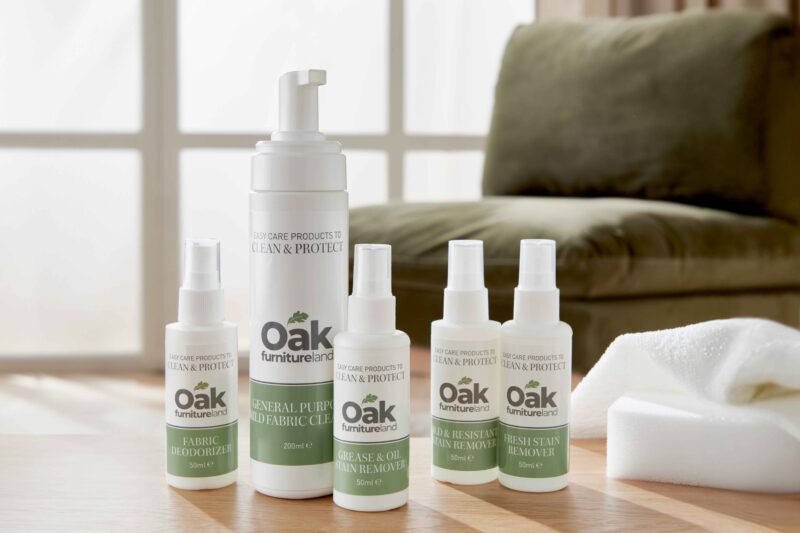
You don’t need a cupboard full of specialist products to keep your fabric sofa looking its best. A few simple cleaning essentials are all that’s required for regular maintenance and tackling everyday marks.
Essential cleaning kit
These are the core products we’d suggest keeping to hand:
- A soft, clean microfibre cloth
- A dry, colourfast towel
- A soft upholstery brush
- A vacuum cleaner with an upholstery attachment (if recommended by your sofa’s care label)
- A specialist fabric upholstery cleaner
- A fabric care kit suitable for your sofa
Oak Furnitureland’s fabric care kit is a practical option for dealing with everyday spills and keeping your upholstery looking fresh. As with any cleaning product, always follow the instructions carefully and test it on a hidden area before use.
How to clean a fabric sofa step by step
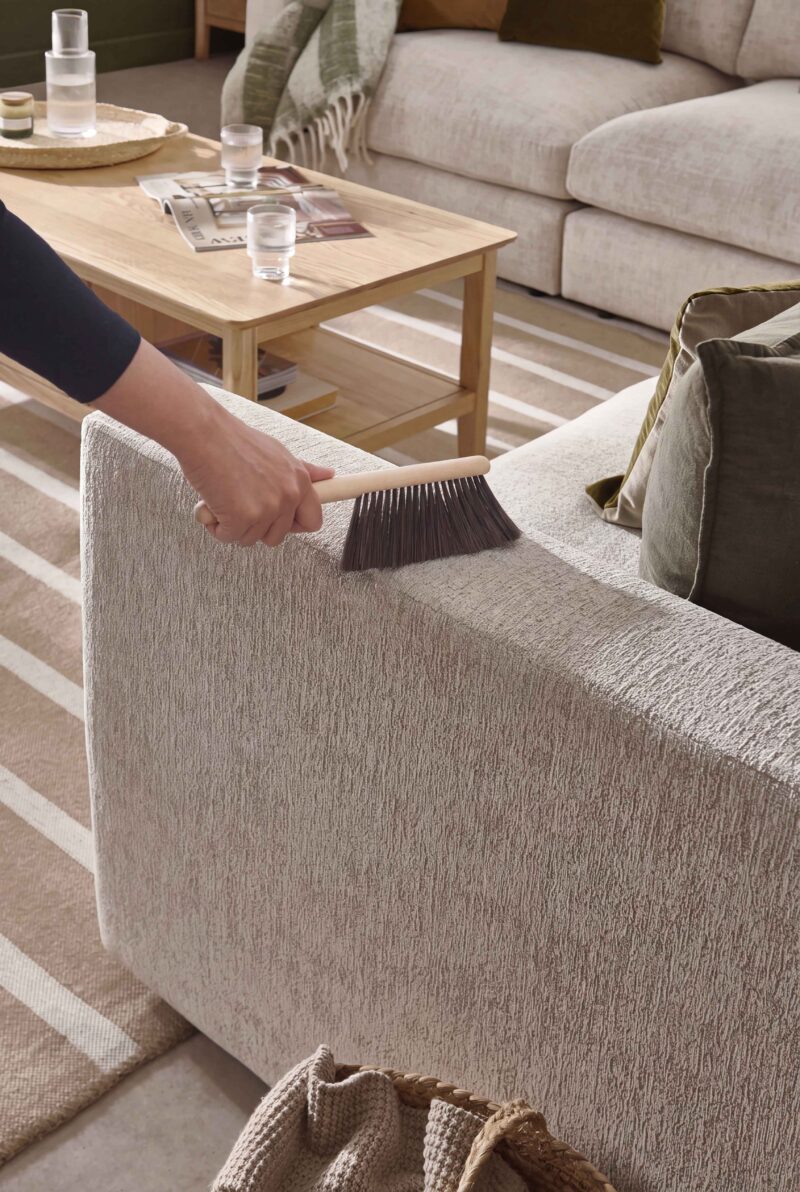
Malvern corner sofa | Cruz rug
Whether you’re carrying out a weekly refresh or giving your sofa a more thorough clean, following these simple steps will help protect the fabric while achieving the best results.
1. Remove cushions and accessories
Take off any throws, scatter cushions, and removable seat cushions before you begin. This makes it easier to reach all the debris that can collect in the corners and along the frame.
2. Brush or vacuum away dust
Use a soft upholstery brush to lift dust and surface dirt from the fabric. If your care label confirms it’s safe to vacuum, use an upholstery attachment on a low suction setting, working gently across the arms, back, seat cushions, and seams.
For delicate fabrics such as velvet, avoid pressing down too firmly, as this can flatten the pile.
A lint roller or clean rubber glove can also be surprisingly effective at lifting stubborn things like pet hair from upholstery.
3. Spot clean stains
Treat any small marks or spills with a cleaning product that’s suitable for your sofa’s upholstery. Apply the product according to the manufacturer’s instructions, taking care not to oversaturate the fabric.
When cleaning a stain, work from the outside in. This helps prevent it from spreading and keeps the affected area as small as possible.
4. Allow your sofa to dry naturally
Once you’ve finished cleaning, leave the sofa to air dry completely before using it again. Avoid speeding up the process with a hairdryer, radiator, or other direct heat source, as excessive heat can affect both the fabric and the cushion filling. Good airflow will help the sofa dry more evenly.
5. Plump and reshape cushions
Once everything is dry, plump the cushions and smooth the upholstery back into place. This simple finishing touch helps maintain your sofa’s shape and keeps it looking inviting between cleans.
Tips for looking after your fabric sofa
Taking care of your sofa doesn’t have to be time-consuming. A few simple habits can help keep it looking and feeling its best for years to come.
Keep it out of direct sunlight

Prolonged exposure to sunlight can gradually fade upholstery fabrics, particularly darker or more vibrant colours. If your sofa sits near a sunny window, consider closing blinds during the brightest part of the day or using a throw to provide extra protection.
Be mindful of dark clothing
New denim and heavily dyed fabrics can sometimes transfer colour onto lighter upholstery. If you have a light-coloured sofa, it’s worth taking extra care until new clothing has been washed a few times.
Deal with spills straight away
The quicker you tackle a spill, the easier it is to remove. Blot the area immediately with a clean, dry cloth before following your sofa’s care instructions.
Give it a weekly refresh
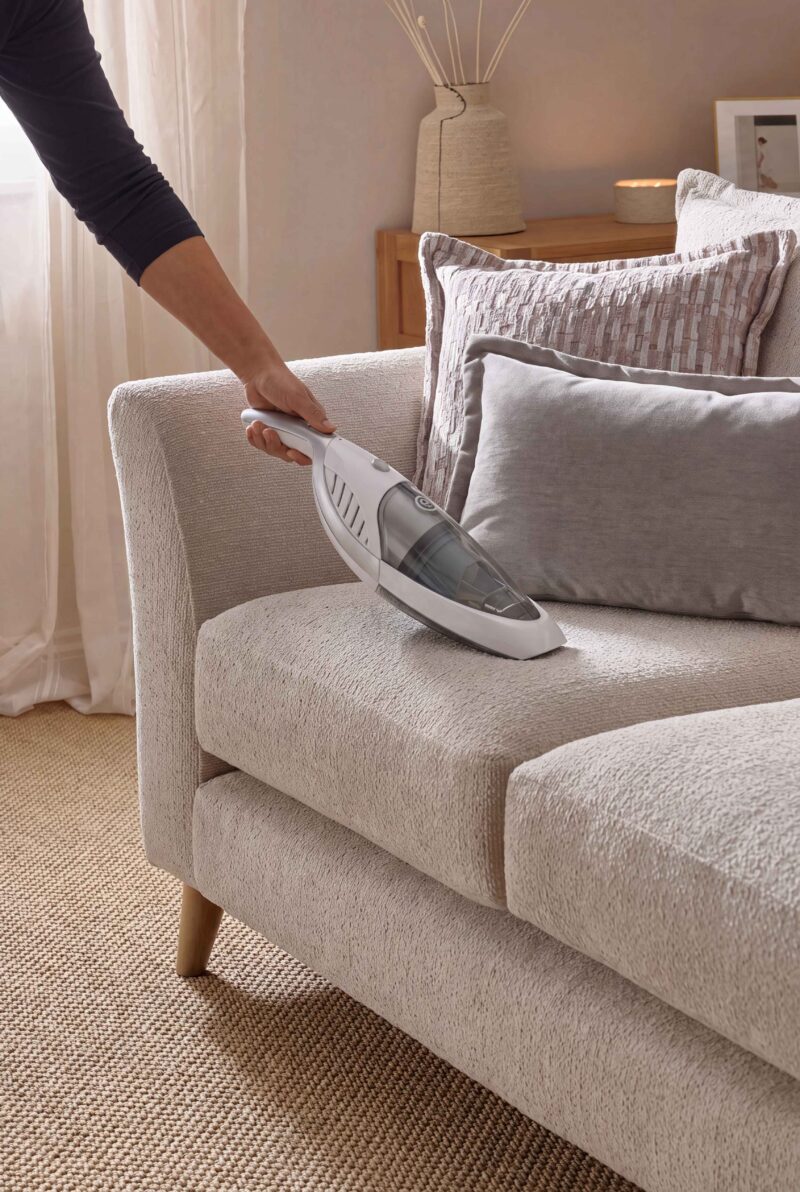
A quick weekly clean helps prevent dust, crumbs, and pet hair from settling into the fabric. Gently brush or vacuum the upholstery if appropriate, remembering to clean beneath removable cushions too.
To keep your sofa smelling fresh, open the windows regularly to improve airflow and deal with spills as soon as they happen. Avoid heavily fragranced sprays unless they’re specifically designed for use on upholstery, as some products can leave behind residue or affect the fabric.
Rotate and plump cushions regularly
Rotating removable cushions helps distribute wear more evenly, while regular plumping keeps them supportive and comfortable. It’s a small task that can make a big difference to how your sofa looks over time.
How to clean different fabric sofa materials
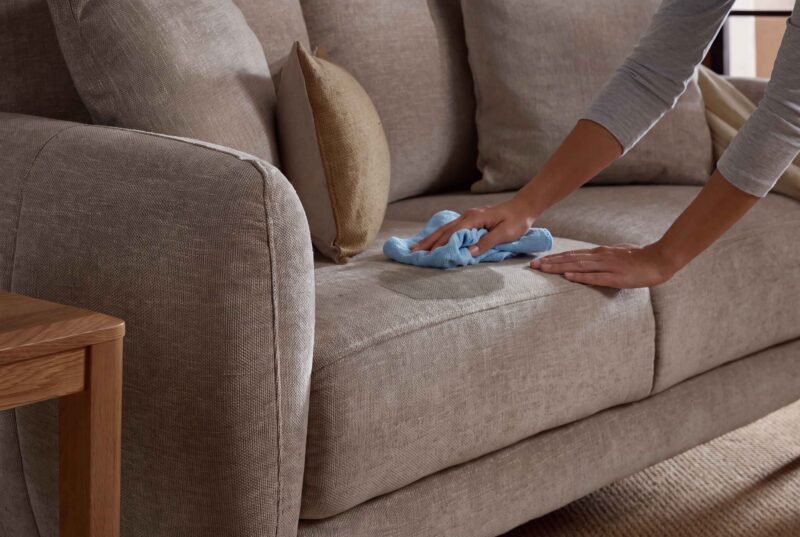
Not all upholstery fabrics require the same level of care. Understanding your sofa’s material will help you choose the safest cleaning method and keep it looking its best for years to come.
Polyester
Polyester is a durable, low-maintenance fabric that’s well suited to busy households. For everyday care, gently brush or vacuum the upholstery if your care label recommends it. Deal with spills as soon as they happen and use a suitable upholstery cleaner to remove light marks before they become more difficult to treat.
Linen
Linen offers a beautifully relaxed, natural look, but it can be more susceptible to creasing and staining than synthetic fabrics. Blot spills immediately and avoid using excessive water, as this may leave marks. For larger stains or a complete refresh, professional cleaning is often the safest option.
Velvet

Montgomery sofa | Montgomery footstool | @oursummerfarmreno
Velvet’s soft pile gives it a luxurious appearance, but it benefits from a gentler cleaning approach. Use a soft brush to lift dust, brushing in the direction of the pile to help maintain its texture. If vacuuming is recommended, use a low suction setting with an upholstery attachment and avoid pressing too firmly, which can flatten the fibres.
SpillSafe fabric
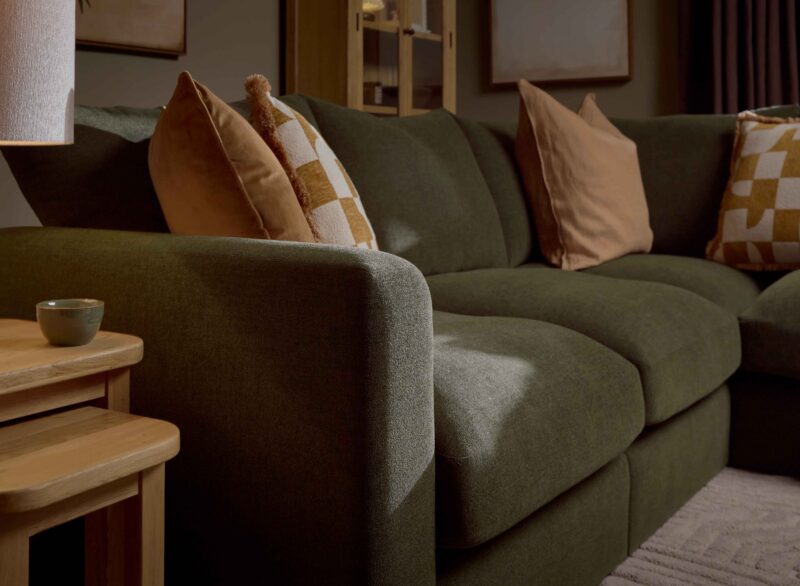
Elston modular sofa | Brennan nest of tables | Maze rug
Our stylish, modular Elston sofa range is built for relaxed, comfortable lounging, made even better with the inclusion of clever SpillSafe technology. This advanced, invisible finish wraps each fibre to stop liquid spills from sinking in, causing drinks and mess to simply bead on the surface and giving you plenty of time to clear them up. Cleaning is incredibly simple: just gently press and dab the spill with a clean cloth or paper towel to absorb the liquid without rubbing. For any stubborn marks that remain, simply apply a little water, use a mild soap in soft circular motions if needed, and wipe away any residue before letting the fabric air dry.
What products can I use to clean a fabric sofa?
Choosing the right cleaning products is just as important as using the correct technique. A specialist upholstery cleaner that’s suitable for your sofa’s fabric is always the safest choice. Our fabric care kit is designed to help tackle everyday marks and spills while supporting routine maintenance.
Avoid using bleach, abrasive brushes, or harsh household cleaners, as these can damage upholstery or leave behind unwanted residue.
While homemade cleaning solutions are often suggested online, ingredients such as vinegar, bicarbonate of soda, and washing-up liquid aren’t suitable for every fabric. Using the wrong product could cause discolouration or affect the finish, so it’s always best to follow the manufacturer’s care guidance.
Can you use a steam cleaner?
Steam cleaners can be effective on some upholstery, but they aren’t suitable for every fabric. The combination of heat and moisture may damage delicate materials or cause shrinking.
Before using a steam cleaner, always check your sofa’s care label or the manufacturer’s guidance to make sure it’s safe to do so.
How to remove common stains from a fabric sofa

Dewsbury sofa | @the_littlecornerhouse
Accidents happen, but acting quickly gives you the best chance of preventing a lasting stain. Always blot spills rather than rub them, then follow your sofa’s care instructions before applying any cleaning product.
- Mud: Allow mud to dry completely before brushing or vacuuming away the loose dirt. Once the surface is clean, treat any remaining mark with a suitable upholstery cleaner if needed.
- Food: Carefully lift away any solid food using a spoon or blunt knife. Soak up any remaining residue before cleaning according to your sofa’s care instructions.
- Tea and coffee: Blot the spill as soon as possible using a clean, dry cloth. If a stain remains once dry, use a fabric-safe upholstery cleaner.
- Red wine: Act quickly by soaking up as much liquid as possible without rubbing. Follow up with an upholstery stain remover that’s suitable for your fabric or seek professional cleaning advice if the stain is particularly stubborn.
- Grease and oil: Greasy stains can quickly soak into upholstery fibres, so avoid adding excessive water. Instead, use a specialist upholstery cleaner designed to tackle oil-based stains.
- Water marks: Water marks are often caused by using too much moisture during cleaning. If marks remain after drying, professional cleaning may be the best way to restore an even finish.
- Ink: Ink can spread easily through upholstery fibres, so blot gently and avoid rubbing. For larger ink stains, it’s usually best to seek professional advice.
- Pet stains: Clean up pet accidents as quickly as possible using a suitable upholstery cleaner. If odours or stains persist, a professional deep clean may be the most effective solution.
When should I get my fabric sofa professionally cleaned?
While regular maintenance can help keep your sofa looking its best, there are times when it’s worth calling in a professional upholstery cleaner for bigger jobs, such as:
- Large or stubborn stains
- Water marks or tide marks
- Dye transfer from clothing
- Deep-set pet stains or lingering odours
- Delicate upholstery that requires specialist care
It’s also the safest choice if your care label recommends professional or dry cleaning only, or if you’re unsure which cleaning method is suitable for your sofa.
A professional clean every few years can help refresh heavily used furniture, particularly in busy family homes or homes with pets.
Keep your fabric sofa looking its best
With the right care and a little regular maintenance, your fabric sofa can stay looking beautiful for years to come. From dealing with everyday spills to giving it an occasional refresh, small habits can make a big difference to both its appearance and comfort.
Choosing the right cleaning method for your upholstery, tackling stains promptly and following your sofa’s care instructions will help protect the fabric and keep it looking its best for longer.
If you’re thinking about updating your living room, explore our collection of fabric sofas to discover a wide choice of styles, colours, and configurations to suit every home and add one of our fabric care kits. For additional peace of mind, discover our Elston collection, which features fabric with added SpillSafe technology.